



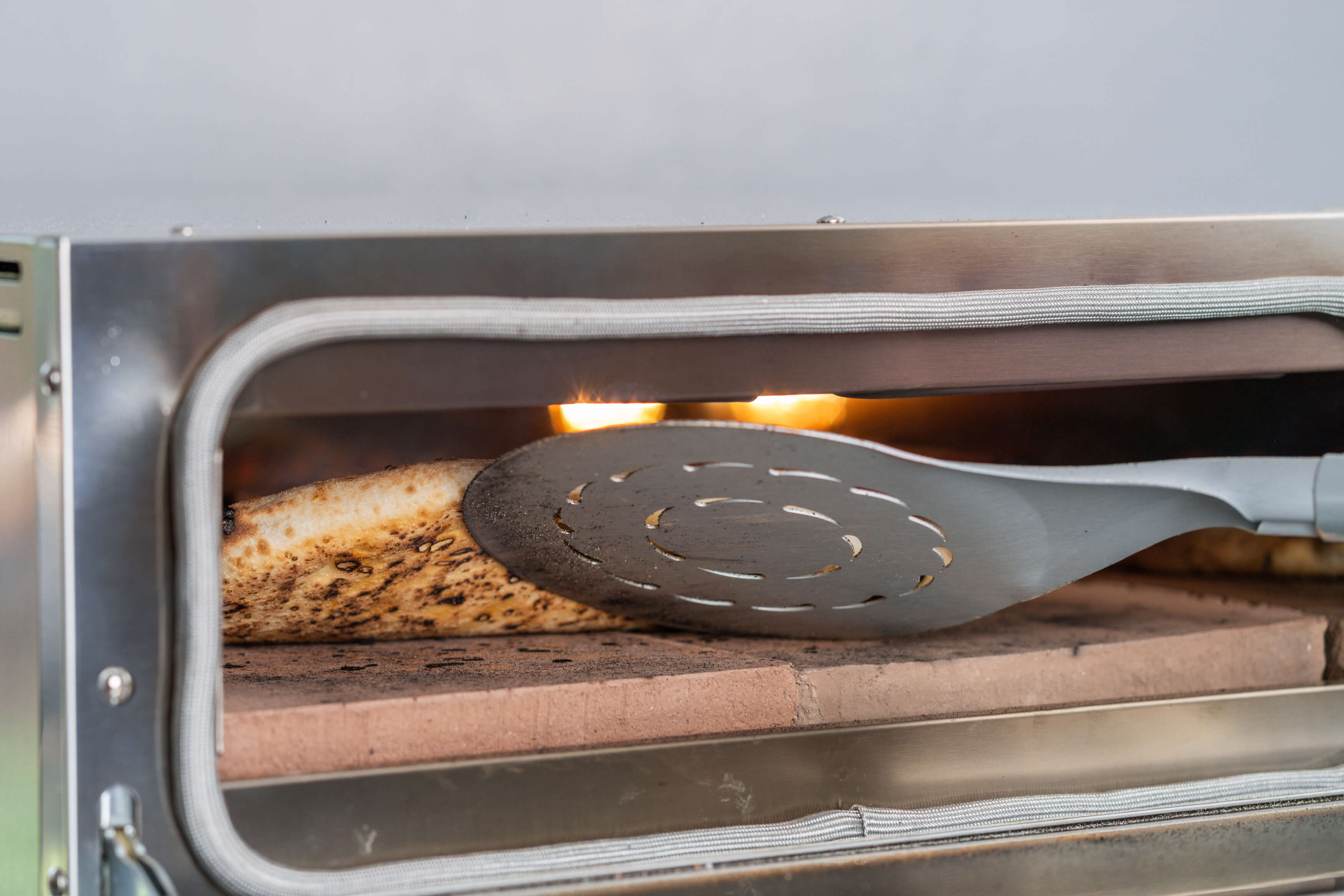
🍕 Introduction: Not All Pizza Stones Are Created Equal
Whether you're baking a blistered Neapolitan pizza or a foldable New York slice, your choice of pizza stone plays a huge role in the final result. In this guide, we compare the three most popular types of pizza stones — Biscotto, Cordierite, and Steel — and help you choose the right one for your oven and your pizza style.
🧱 1. Biscotto Pizza Stones (Best for Neapolitan Pizza)
Made from: Natural Italian clay
Ideal temp range: 400C- 509C / 752°F–950°F
Best for: Neapolitan-style pizza, light and airy crusts
Where it shines:
-
Superior moisture absorption
-
Prevents burnt bottoms at high heat
-
Traditional performance in wood/gas-fired ovens but are now available in Electric ovens like the Effeuno Pizza Ovens
📌 Used in pizzerias across Naples. Handmade from volcanic clay for authentic results. Each stone is unique
Perfect for:
-
Effeuno, Ooni / Gozney / Alfa ovens. Ovens that reach over 400c ideally
-
Fast-cooked Neapolitan pizza (90–120 seconds)
🔗 Shop Our Biscotto Stones →

🪨 2. Cordierite Pizza Stones (Best for General Home Use)
Made from: Heat-resistant ceramic/mineral composite
Ideal temp range: 260C-400C / 500°F–750°F
Best for: New York-style, pan pizza, thick crust
Where it shines:
-
Affordable and widely available
-
Good durability for regular home ovens
-
Decent heat retention at medium temps
Drawbacks:
-
Can burn the bottom of Neapolitan pizzas at high heat
-
Limited moisture absorption compared to Biscotto
Perfect for:
-
Standard kitchen ovens
-
5–7 minute bake pizzas


🔗 Shop Our Cordierite Pizza Stone →
🔩 3. Steel Pizza Stones (Best for Crisp Crusts in Kitchen Ovens)
Made from: Solid baking steel
Ideal temp range: 230C- 350C / 450°F–650°F (indoor ovens)
Best for: New York-style, Detroit-style, thin crust
Where it shines:
-
Extremely high heat conductivity
-
Bakes pizzas fast in regular ovens
-
Excellent for crisp, browned crusts
Drawbacks:
-
Zero moisture absorption
-
Can overcook bottoms quickly
-
Not suitable for Neapolitan-style
Perfect for:
-
Baking steel fans
-
Fast NY-style pies in home ovens
-
Reheating or baking frozen pizzas

⚖️ Pizza Stone Comparison Chart
| Feature | Biscotto | Cordierite | Steel |
|---|---|---|---|
| Heat Retention | ★★★★☆ | ★★★☆☆ | ★★★★★ |
| Moisture Absorption | ★★★★★ | ★★☆☆☆ | ☆☆☆☆☆ |
| Burn Risk at High Heat | Very Low | Medium | High |
| Best for Neapolitan | ✅ Yes | ⚠️ Risky | ❌ No |
| Best for New York | ⚠️ Okay | ✅ Yes | ✅ Yes |
| Best for Thin/Crisp | ⚠️ Too soft | ✅ Yes | ✅ Yes |
| Price Range | $$$ | $–$$ | $$–$$$ |
🧠 Which Stone Should You Choose?
👉 Choose Biscotto if:
-
You make Neapolitan-style pizzas
-
You own a high-temp oven (Effeuno, Ooni, Gozney, wood-fired)
-
You want soft, airy crusts with no burning
👉 Choose Cordierite if:
-
You use a home oven, woodfired, Effeuno P150H/HA
-
You bake New York or pan pizzas
-
You want something affordable and versatile
👉 Choose Steel if:
-
You want extremely fast bakes in your home kitcheNew York style pizza oven
-
neapolitan pizzneapolitan pizzaYou love crispy crusts
-
You mostly cook New York-style or frozen pizzas


